
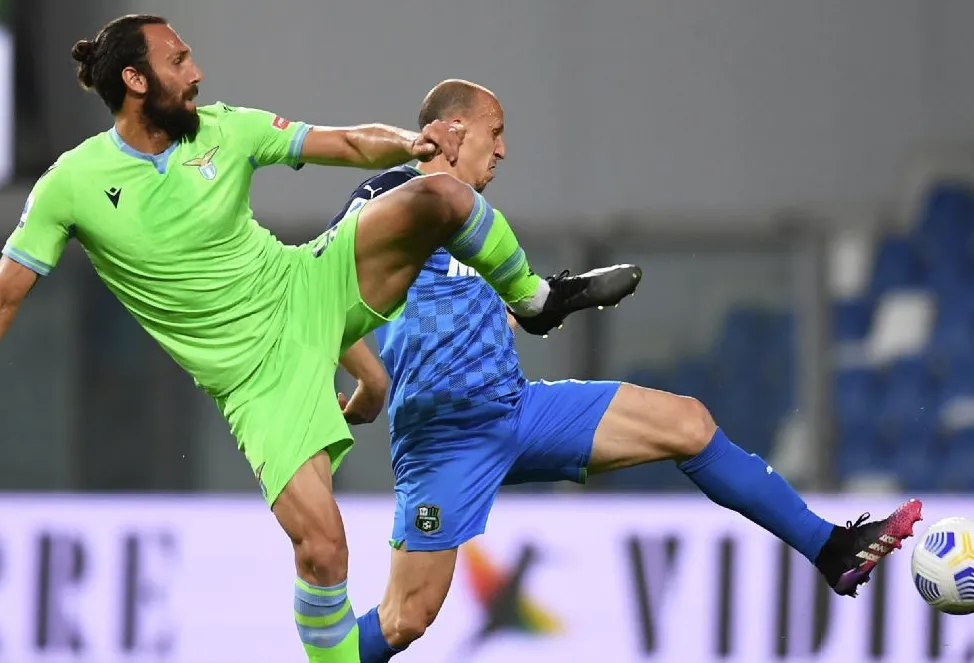
Football fans across Europe and Asia are buzzing after the latest announcement from Italy’s top football league. In a move that blends tradition with modern broadcasting technology, the Italian Football Federation has officially banned green kits for the 2025 Serie A campaign. This decision, which has sparked lively debate among supporters and analysts alike, aims to improve television clarity and enhance the viewing experience for millions watching from home. If you follow Italian football closely, you know that small changes like these can have a big impact on how the game is perceived—both on the pitch and on the screen. Let’s dive into the reasons behind this surprising ruling and what it means for clubs, players, and fans.
Why Green Kits Are Being Banned: The Television Clarity Factor
The core issue stems from a technical problem that has frustrated broadcasters for years. When players wear green shirts, they often blend into the grass pitch, especially in high-definition broadcasts where the contrast between the kit and the field becomes minimal. This makes it difficult for viewers to distinguish players, follow fast-paced attacks, or even see the ball clearly during critical moments.
The Science Behind the Ban
Television cameras use color grading and compression algorithms that sometimes struggle to separate similar shades. The vibrant green of a traditional kit, combined with the natural and artificial green of the grass, creates a visual “muddying” effect. Even with modern 4K and 8K broadcasts, the issue persists, particularly when multiple players cluster in the same area. According to experts at Jw7 , this problem isn’t unique to Serie A—it’s been a headache for leagues like the Premier League and La Liga—but Italy’s decision marks the first time a major European league has taken such a definitive stand.

Historical Precedent: Why Now?
In the 2022-23 season, the Serie B league experimented with a similar ban, which ultimately paved the way for the top flight to follow suit. That trial was a success; broadcasters reported fewer complaints about visual confusion, and fan surveys showed a clear preference for higher contrast kits. The 2025 Serie A campaign will now enforce this rule across all matches, meaning clubs must redesign any green away or third kits they had planned.
How Clubs Are Reacting: Adaptation and Controversy
The announcement has divided opinion among Serie A’s elite. Traditionalists argue that green is a historic color for many clubs—like Cagliari, who famously wear a deep green-and-white striped kit reminiscent of their Sardinian heritage. However, the federation has made it clear: no exceptions.
Impact on Kit Manufacturers
Major sportswear brands like Nike, Adidas, and Puma are now racing to redesign kits that don’t use green as a primary color. Some clubs, like AC Milan and Inter, have minimal green in their strips anyway, so the change will be small. But for teams like Sassuolo or Hellas Verona—who have adopted green accents in recent years—this means entirely new designs for the upcoming season.

Player and Fan Perspectives
From a player’s standpoint, the change is minimal—they care more about the feel of the fabric than the hue. But fans are a different story. Many have taken to social media to express frustration, arguing that football is about tradition and that television should adapt to the game, not the other way around. However, broadcasters and league officials have countered that the sport must evolve to maintain its global appeal, especially as streaming platforms and digital viewership continue to grow.
What This Means for the 2025 Season: A New Visual Era
The ban will officially go into effect from the first matchday of the 2025 Serie A campaign, which kicks off in August. This gives clubs approximately six months to adjust their kit designs. The league has also promised to work closely with broadcast partners, including Sky Sport Italia and DAZN, to ensure that the transition is seamless.
Potential Benefits for Viewers
For the average fan watching at home, the change should be noticeable immediately. Matches will appear clearer, with sharper player separation and easier tracking of the ball during long passes or set pieces. This is particularly important for casual viewers who might otherwise lose interest due to visual fatigue. Think of it like reading a book with better contrast—suddenly, every word is easier to digest. That’s what this ban aims to achieve for your Saturday afternoon Serie A fix.
Future Implications for Other Leagues
Could this be the beginning of a trend? Many analysts believe so. The Premier League and Bundesliga are reportedly studying Serie A’s model, and if the 2025 season proves successful, we might see similar bans across Europe within the next few years. This would be a huge shift for kit manufacturers, who would need to rethink color palettes for future collections.
Key Takeaways: A Bold Move for Modern Football
The decision to ban green kits for the 2025 Serie A campaign is a clear signal that television clarity and fan experience are now top priorities for league organizers. While it may upset some purists, the move is driven by data: clearer broadcasts lead to higher engagement, better sponsor visibility, and ultimately, a stronger product.
Jw7 continues to follow these developments closely, bringing you the latest insights from the world of football. Whether you agree with the ban or not, one thing is certain—Italian football is once again leading the way in innovation.
We’d love to hear your thoughts! Do you think other leagues should follow suit? Leave a comment below, share this article with your fellow football fanatics, or explore more exclusive content on our website. Stay tuned for more updates as the 2025 season approaches!
