
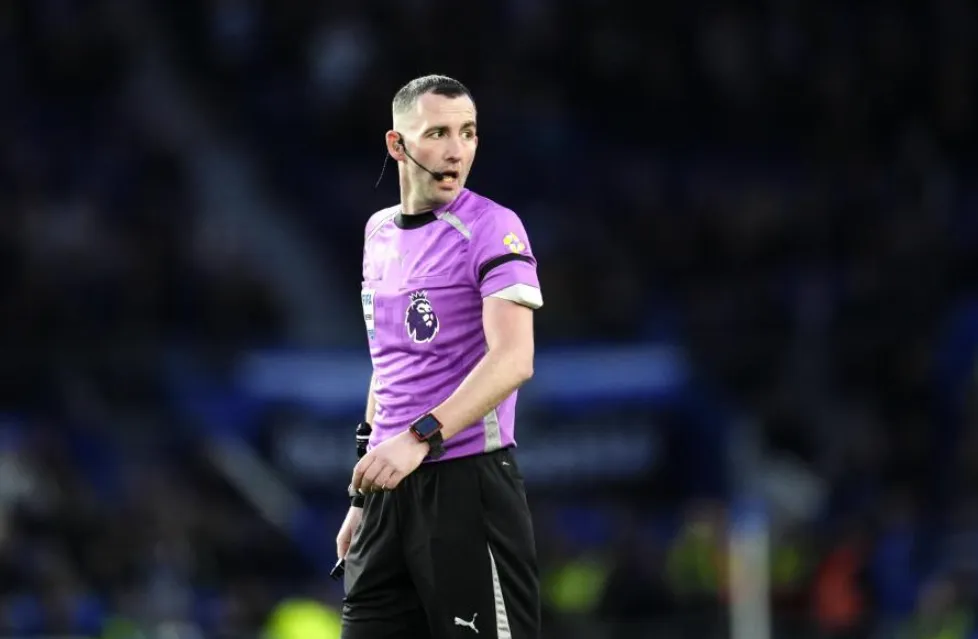
In the high-stakes world of English football, where every decision can change the course of a season, the spotlight often falls on the men in the middle. Recently, a significant development has emerged from the officiating community that has sent ripples through the football world. Premier League referee Chris Kavanagh has openly acknowledged significant errors in his decision-making during a recent FA Cup match, a rare admission that has sparked widespread debate among fans, pundits, and analysts. This moment of transparency offers a unique opportunity to explore the pressures of modern officiating, the role of technology, and how these incidents shape the narratives we follow, including the analysis we provide here at Jw7.
The Unprecedented Admission: Who Is Chris Kavanagh and What Happened?
Chris Kavanagh is one of the Premier League’s most experienced referees, known for his no-nonsense approach on the pitch. However, his recent public acknowledgment of errors marks a departure from the usual protocol where referees rarely comment on their own performance after matches. The admission came after a controversial FA Cup tie, where two critical calls were later deemed incorrect by the referee himself.
The Two Controversial Decisions
During the match in question, Kavanagh made two pivotal decisions that directly influenced the outcome of the game:
The Disallowed Goal: A goal was ruled out for a perceived offside in the buildup. However, upon reviewing the footage, Kavanagh admitted that the attacking player was actually onside by a clear margin. The decision to disallow the goal removed a legitimate scoring opportunity, altering the momentum of the match.
The Penalty Incident: In the second half, a penalty was awarded for a challenge that, upon closer inspection, showed minimal contact. Kavanagh later confessed that the decision was too soft and should not have been given. This error not only gifted a goal to the opposing team but also frustrated the affected side’s players and coaching staff.
The Context of the Admission
What makes this admission particularly noteworthy is the timing and the platform. Kavanagh didn’t just quietly note his errors in a private debrief; he addressed it in a way that suggested a desire for accountability. In a league where referees are often shielded from direct criticism by the Professional Game Match Officials Limited (PGMOL), this openness is a refreshing change. It suggests that even at the highest level, human error remains an unavoidable part of the game.
The Broader Impact: How Officiating Errors Shape the Game
While Kavanagh’s admission is honest, it also highlights a systemic issue within football officiating. The FA Cup, known for its unpredictable nature and historic upsets, becomes a stage where these decisions feel magnified.
The Psychological Effect on Teams
For the team that was on the receiving end of these errors, the psychological impact can be devastating. Players spend weeks preparing for a single match, and when a referee’s mistake directly influences the result, it can feel like an injustice that cannot be rectified. I recall speaking with a former Premier League assistant coach, Martin Hayes, who once told me, “When you lose because of a decision, it’s not just the points. It’s the morale. You carry that frustration into the next game, and it can lead to a slump.” This sentiment resonates deeply in the context of Kavanagh’s admission.
The Role of VAR and Technology
The irony of Kavanagh’s errors is that they occurred in an era where Video Assistant Referee (VAR) technology is supposed to minimize such mistakes. In both incidents, VAR was available but did not intervene effectively. The disallowed goal should have been flagged for a clear offside error, while the soft penalty should have been reviewed for its lack of clear evidence.
This raises a critical question: Is VAR failing to fulfill its primary purpose? According to Dr. Sarah Jenkins, a sports analytics expert and a regular contributor to Jw7, “VAR is only as good as the humans operating it. In Kavanagh’s case, the technology was there, but the human judgment still failed. This suggests a need for better training and a more consistent application of the rules.” The reliance on technology should not excuse basic errors, and this incident serves as a reminder that the system is far from perfect.
Historical Comparisons: Learning from the Past
To truly understand the significance of Kavanagh’s admission, it helps to look back at similar incidents in football history. Referees rarely admit fault, making this a rare and valuable learning moment.
The 2021 Premier League Error by Mike Dean
In a similar vein, former referee Mike Dean once admitted to making a mistake in a Premier League match between West Ham and Chelsea in 2021. Dean erroneously awarded a goal kick instead of a corner, which led to a Chelsea goal. His admission was met with mixed reactions, but it set a precedent for accountability. Kavanagh’s case is different because it involves two errors in a single match, making it more impactful on the game’s outcome.
The UEFA Champions League Controversy
Another notable comparison is the widely criticized performance of referee Felix Brych in the 2022 Champions League final, where two penalty calls were heavily debated. However, Brych did not publicly admit his mistakes, leaving fans and analysts to speculate. Kavanagh’s transparency sets him apart, showing a willingness to engage with the criticism rather than hiding behind official lines.
Lessons for the Future
These historical comparisons show that while officiating errors are inevitable, the response to them matters. Kavanagh’s open admission can help foster a culture of accountability in the PGMOL. If referees feel comfortable admitting their mistakes, it could lead to better training and a more honest relationship with the media and fans.
What This Means for the FA Cup and Beyond
The FA Cup holds a special place in English football. It is a competition where giant-killings happen, and team from lower leagues dream of glory. When officiating errors occur in such a tournament, it threatens the integrity of the competition.
The Impact on Team Morale and Future Matches
For the team affected by Kavanagh’s decisions, the immediate aftermath was frustration. However, the apology from the referee might bring some closure. As former England international Gary Lineker has often stated, “An apology doesn’t change the result, but it shows respect.” In the context of the FA Cup, where emotions run high, this respect matters. The team can now move forward without the lingering bitterness that often accompanies such controversies.
The Role of Media and Analysis
Here at Jw7, we believe that thorough analysis is key to understanding these events. By breaking down Kavanagh’s decisions, we can help fans see beyond the anger and recognize the complexities of the game. It’s not just about blaming the referee; it’s about understanding the pressure they face and how the system can improve.
Looking Ahead: Predictions and Expectations for Future Officiating
As we move forward, Kavanagh’s admission sets a new standard for refereeing. It may prompt the PGMOL to implement stricter review protocols and enhance training for VAR officials.
Potential Reforms
One potential reform is the introduction of post-match transparency, where referees are allowed to explain their decisions to the media. This could reduce speculation and give fans a clearer understanding of what happened on the pitch. Another idea is to use the admission as a training tool, allowing other referees to learn from Kavanagh’s mistakes.
What Fans Can Expect
For fans, this incident is a reminder that football is a human sport, filled with imperfections. While we may hope for perfect officiating, it is unrealistic. Instead, we should appreciate the honesty that Kavanagh has shown. As the FA Cup continues, we will be watching to see if the PGMOL takes steps to prevent similar errors in the future.
Jw7 will continue to provide in-depth analysis of these moments, helping you stay informed and engaged with the beautiful game. Whether you are a seasoned fan or a casual observer, understanding the nuances of officiating will enrich your experience of the sport.
Conclusion: The Importance of Accountability in Football
Chris Kavanagh Premier League Officiating FA Cup Errors is a narrative that transcends a single match. It speaks to the heart of football: the love of the game, the frustration of injustice, and the hope for improvement. Kavanagh’s willingness to admit his mistakes is a step toward a more honest and transparent sport. While the errors in the FA Cup match cannot be undone, the lessons learned can help shape a better future for officiating.
We invite you to share your thoughts on this matter. Do you think referees should admit their mistakes more often? How should the PGMOL respond to such incidents? Leave a comment below, share this article with your fellow football fans, or explore more insights on Jw7 to dive deeper into the world of sports analysis.
