
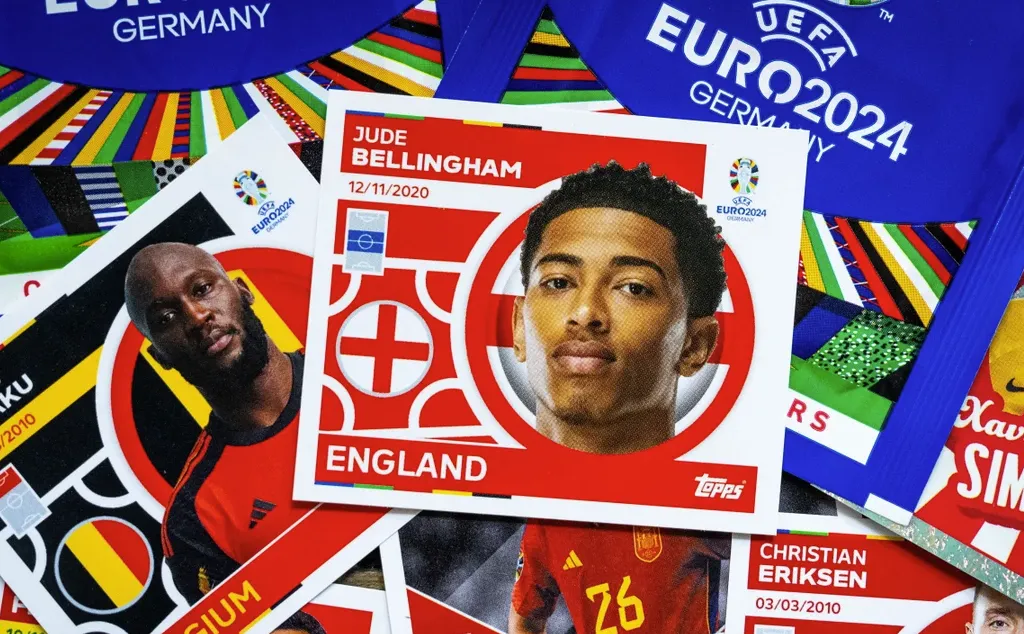
The nostalgia of flipping through a fresh sticker album, the smell of newly opened packs, and the thrill of finding that shiny rare card have been cornerstones of football culture for decades. But for Euro 2024, something felt different, and not in a good way. Fans across Europe found themselves caught in the middle of a corporate tug-of-war that transformed a beloved tradition into a confusing, expensive, and often frustrating experience. Here at Jw7, we dive deep into how the legendary clash between Topps and Panini fundamentally changed the sticker-collecting landscape for one of football’s biggest tournaments.
The Great Schism: A Collector’s Nightmare Begins
For generations, Panini was the undisputed king of football sticker albums. Their monopoly on major international tournaments like the FIFA World Cup and the UEFA European Championship created a sense of unity among collectors. Everyone collected the same album, traded the same stickers, and shared the same experience. That all changed when UEFA decided to split the licensing rights for Euro 2024, handing the official tournament sticker album to Panini but allowing Topps to produce its own “official” collection through its UEFA Champions League license.
The Birth of Two Competing Products
The decision created a bizarre scenario where fans had to choose sides or, more commonly, empty their wallets for both. Panini released its traditional “UEFA Euro 2024″ sticker album, complete with team sections, stadium photos, and the classic format fans loved. Meanwhile, Topps launched “UEFA Euro 2024 Match Attax” and “Topps Now” collections, focusing on trading cards, limited edition inserts, and digital collectibles.
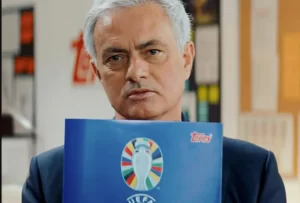
This split meant that no single album could give you a complete picture of the tournament. Want the full team lineup? Buy Panini. Chasing player autographs and rare parallels? Better grab some Topps packs too.
The Economics of Confusion: How Much Did It Cost?
The sticker market has never been cheap, but the Topps vs Panini battle pushed prices to new heights. Traditional Jw7 collectors reported spending nearly double what they would have in previous tournaments just to complete either one of the major collections.
Breaking Down the Price Tag
A standard box of Panini Euro 2024 stickers retailed for around £30-40, containing roughly 100 packs. Topps Match Attax boxes started at similar prices but often included fewer cards per pack, focusing on higher rarity items. For a collector determined to get both complete sets, costs could easily exceed £200-300.
“Comparing this to Euro 2020 or World Cup 2022, the financial burden is significantly higher,” explains football memorabilia analyst Dr. Marcus Webb. “The market is being artificially segmented. Where one company would have controlled the entire narrative, now two are competing for the same collector’s limited budget.”

The Digital Twist: When Paper Became Pixels
Both companies aggressively pushed digital alternatives, adding another layer of complexity. Panini introduced a revamped digital app with virtual sticker swaps and online trading, while Topps doubled down on its established Topps Digital platform, offering blockchain-based cards and exclusive digital rewards for physical purchasers.
The Problem with Going Digital
Not everyone wanted to collect on their phones. Traditional collectors, particularly those in older demographics, felt alienated by the push toward digital. The online swapping mechanics often required premium subscriptions, and rare digital cards could be sold on secondary markets for hundreds of pounds, effectively turning the hobby into speculative trading.
Sports marketing expert Sarah Chen notes, “The sticker album was always about community—trading with friends, filling pages together. Digital platforms fragment that experience. You’re competing against bots and scalpers instead of sharing joy with fellow fans.”
Availability and Scarcity: The Great Sticker Drought
One of the most reported issues was severe regional shortages. In many European countries, Panini products flew off shelves within days, while Topps items remained abundant in others. This created black markets and inflated prices on platforms like eBay and Facebook Marketplace.
A Tale of Two Systems
Panini’s traditional distribution network, built over decades, couldn’t keep up with demand in countries like Germany, England, and Spain. Meanwhile, Topps had better stock in some regions but lacked the deep retail penetration needed to serve smaller markets. Collectors in countries like Belgium or Portugal often had to order online from foreign retailers, paying premium shipping costs.
Quality and Design: Who Did It Better?
When you strip away the marketing hype, collectors care about one thing: quality. Both companies delivered mixed results.
Panini’s Classic Approach
Panini stuck to its tried-and-test formula. The cardstock felt familiar, the designs were clean and functional, and the album itself came with detailed team information and tournament history. However, critics pointed out that the photo selections felt rushed, with many players shown in unflattering poses or outdated kits.
Topps’ Modern Aesthetic
Topps took a bolder, more modern approach. Their cards featured dynamic action shots, chrome finishes, and a wider variety of parallel color variations. The downside? Consistency suffered. Some cards had printing errors, off-center images, or mismatched color schemes that frustrated perfectionist collectors.
The Impact on Community Trading
Perhaps the most significant casualty of this rivalry was the social aspect of sticker collecting. Schoolyards, office water coolers, and local trading events used to be buzzing hubs where collectors swapped doubles and celebrated rare finds. With two competing albums, traders now had to find partners collecting the exact same product.
Fragmentation of the Hobby
“I’ve been collecting for 30 years,” says lifelong fan and collector David Morrison. “This year, I had to find separate trading groups for Panini and Topps. Half my friends went one way, half went the other. We couldn’t even trade between albums because the formats didn’t match.”
Smart Collecting Strategies for Future Tournaments
If you’re a collector looking to navigate these divided waters in future events, here are some practical tips:
Prioritize Your Collection Type
Decide early whether you’re a “completionist” (wanting one full set) or a “player collector” (focused on specific stars). Completionists should stick with Panini’s traditional album, while speculators and design lovers might prefer Topps’ limited edition cards.
Budget Realistically
Set a spending limit before the tournament begins. Factor in both packs and the potential need to buy individual stickers online. Using tracking apps can help you avoid buying duplicate rare cards.
Join Niche Communities
Specialized Facebook groups, Reddit communities, and Discord servers for each brand offer better trading opportunities than general collector spaces. Be prepared to pay shipping costs for cross-border trades.
What This Means for the Future of Football Collecting
The Topps vs Panini battle for Euro 2024 exposed deep fractures in the sports memorabilia market. With UEFA seemingly committed to multi-licensing strategies, similar splits are likely for future tournaments.
A New Normal?
Industry insiders predict that the collectibles market will continue to diversify. Expect more brands entering the space, more digital elements, and potentially even tournament-exclusive blockchain cards. While this increases options for consumers, it also demands more research and careful spending.
Conclusion: The Euro 2024 Sticker Saga
The Topps vs Panini rivalry turned Euro 2024 sticker collecting into a high-stakes battle that divided fans, drained wallets, and complicated what was once a simple joy. While competition often drives innovation and quality, in this case, it created confusion and frustration among the very community both companies sought to serve.
As we look ahead to future tournaments, collectors must adapt. Whether you’re team Panini, team Topps, or trying to balance both, the golden era of simple sticker albums may be behind us. But the love for the game remains. Share your experiences below—did you manage to complete your album? Which brand did you choose?
For more insightful sports analysis and collecting tips, stay tuned to Jw7 for all the latest updates from the world of football memorabilia.
