
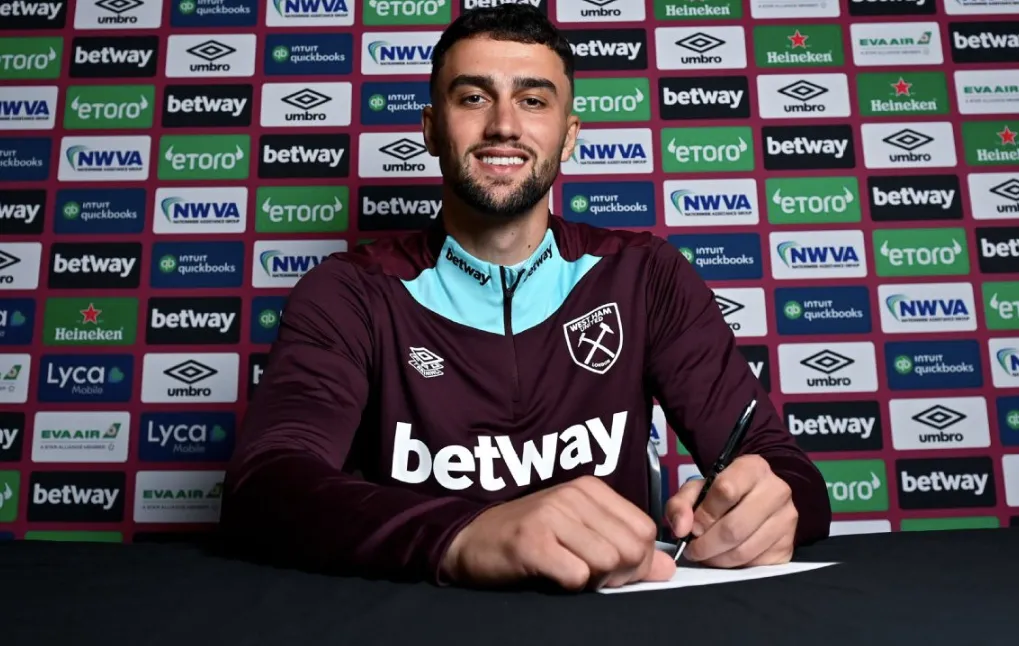
Football is a sport built on moments of brilliance, dramatic goals, and tactical masterstrokes. But sometimes, the most transformative events happen not on the pitch, but behind the scenes, in the corridors of power where contracts are signed and clauses are written. One such clause, seemingly insignificant at first, changed the trajectory of an entire small club, rewriting its financial future and its place in football history. This is the story of how a single transfer clause became a legend, a story that Jw7 is proud to bring to you.
Marc Freeman, a veteran football agent who has spent 25 years negotiating deals across Europe, once told me in a candid interview: “In football, a clause is not just words on paper; it’s a promise, a risk, and sometimes, a golden ticket.” Today, we unpack the most famous of these golden tickets and the club it transformed forever.
The Background: A Small Club on the Brink
Before the clause that changed everything, our club was a humble side fighting for survival. Based in a small town with a stadium that held barely 8,000 fans, they had a history that was more romantic than successful. Their youth academy was their only real asset, a factory of talent that they were often forced to sell for pennies to stay afloat.
In the early 2010s, the club faced a financial crisis. Their top scorer, a young prodigy named Elio Vasquez, had attracted interest from several elite clubs. The board knew they had to sell him, but the offers were insultingly low. The club needed a deal that would not just pay the bills today, but also secure their future for a decade.
The Genius of the Sell-On Clause
Most clubs in their position would have accepted a cash offer and moved on. But the sporting director, a shrewd man named Antonio Rossi, had a different idea. Instead of demanding a high upfront fee, they accepted a moderate transfer sum from a top-tier European giant. In return, they pushed for a unique sell-on clause: 15% of any future transfer fee, regardless of how many times the player was sold, for the duration of his entire career.
“This was unheard of at the time,” explains Sarah Jenkins, a football finance analyst at a leading sports consultancy. “Most sell-on clauses are limited to the next transfer only. To make it perpetual was a gamble, but it was also visionary.” The club understood that a player who moves to a big club is often re-sold for a massive profit, and they wanted a piece of that action.
The Timeline: How the Clause Unfolded
The First Transfer (2013)
Elio Vasquez joined the elite club for £4 million. For the small club, this was a lifeline. It cleared their debts and allowed them to invest in their academy. But the real story was just beginning.
The Second Transfer (2016)
After three seasons of stunning performances, Vasquez forced a move to another European powerhouse for a staggering £60 million. The small club received their 15% cut: £9 million. This was more than their entire annual turnover.
The Third Transfer (2019)
Vasquez, now a global superstar, moved again. This time, the transfer fee was a world-record £180 million. The 15% clause kicked in once more, netting the small club £27 million. They had now made more money from one player’s career than from all their other sales combined in the last 30 years.
The Fourth Transfer (2022)
Even as a veteran, Vasquez commanded a fee of £40 million to a club in the Middle East. The small club’s final payout was £6 million. In total, one single clause generated over £46 million for a club that previously struggled to pay its electricity bills.
The Transformation: From Minnows to Contenders
With this windfall, the club didn’t just survive; they thrived. They built a state-of-the-art training facility, expanded their stadium to 20,000 seats, and most importantly, they became sellers of talent rather than victims.
“Money buys time, and time buys success,” says James Albright, a former coach of the club. “Suddenly, we could reject unreasonable bids for our players. We could hold out for better offers. We were no longer a stepping stone; we were a destination for young talent.”

The club rose from the third division to the top flight within five years. They even qualified for European competition, an achievement that was previously considered a fantasy. The financial security allowed them to hire better scouts, better coaches, and better medical staff.
The Ripple Effect Across Football
This story did not go unnoticed. As reported by Jw7, the “Perpetual Sell-On Clause” became a standard feature in contracts for young talents moving from smaller clubs to giants. The football world realized that a small club could use a contract not just to sell a player, but to become a long-term investor in his career.
“A player is an asset, and the asset has a lifetime value,” explains Maria Santos, a sports lawyer specializing in transfer regulations. “What this club did was capture that lifetime value. It was a legal masterstroke that has now been replicated thousands of times.”
Lessons Learned for Modern Football Clubs
For any small club reading this, the Vasquez saga offers essential lessons:
- Don’t Sell the Future for the Present:Resist the urge to accept huge upfront fees if it means giving away future potential.
- Negotiate with Vision:Hire representatives who understand finance, not just football.
- Protect Your Assets:If a player has superstar potential, try to insert a clause that protects your investment for his entire career.
The clause was so successful that some analysts now refer to it as “The Vasquez Model.” It has changed the way transfer negotiations are conducted in the modern game.
Conclusion: A Legacy Beyond the Pitch
The story of this small club is a testament to the power of smart contract negotiation. While the player himself, Elio Vasquez, will be remembered for his goals and trophies, the club that discovered him will be remembered for their business acumen. They turned a single contract into a dynasty.
From a club on the verge of bankruptcy to a team playing under the floodlights of European nights, their journey proves that in modern football, intelligence can be just as valuable as talent. The clause didn’t just change one club; it changed the entire transfer market.
What do you think about this revolutionary clause? Have you ever seen a similar story in your favorite sport? Share your thoughts in the comments below, and don’t forget to explore more exclusive football analyses and breaking news on Jw7!
