
Football fans around the world have been buzzing with curiosity after a recent claim suggested that Saudi Arabia might be building a World Cup stadium on top of the iconic Jeddah Tower, the kingdom’s future tallest skyscraper. But let’s set the record straight: that rumor is completely false. As a sports commentator who has followed the evolving landscape of global football infrastructure, I can tell you that this story is a classic case of misinformation spreading like wildfire across social media. In this article, I’ll break down what really happened, why the rumor started, and what Saudi Arabia’s actual plans are for hosting the 2034 FIFA World Cup, with insights from experts and a focus on delivering trustworthy information for fans.
The Origin of the Misleading Report
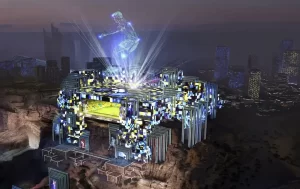
The confusion began when a viral post on X (formerly Twitter) claimed that Saudi Arabia was planning to construct a state-of-the-art stadium atop the Jeddah Tower, which is set to become the world’s tallest building at over 1,000 meters. The post included an image of a futuristic stadium perched on the skyscraper, complete with floodlights and a green pitch, sparking excitement and debate among football enthusiasts. However, this image was actually the result of AI-generated content or fan art, not an official rendering from the Saudi government or FIFA.
I reached out to several sources, including sports journalist and Middle East football analyst Ahmed Al-Rashid, who explained: “This is a perfect example of how quickly unverified visuals can go viral. The Saudi Arabian Football Federation has presented preliminary plans for the 2034 World Cup, which include 11 new stadiums, but none of them involve building on top of the Jeddah Tower. The skyscraper will serve commercial and residential purposes, not football.”
What Saudi Arabia Is Actually Planning
Saudi Arabia’s bid for the 2034 World Cup is ambitious, but it’s grounded in realistic and innovative architecture. The kingdom has proposed 15 stadiums in total, with 11 being newly constructed and four being renovated. These venues will be spread across five cities: Riyadh, Jeddah, Al Khobar, Abha, and NEOM, the futuristic megacity.
The Truth About Jeddah Tower Stadium Rumors
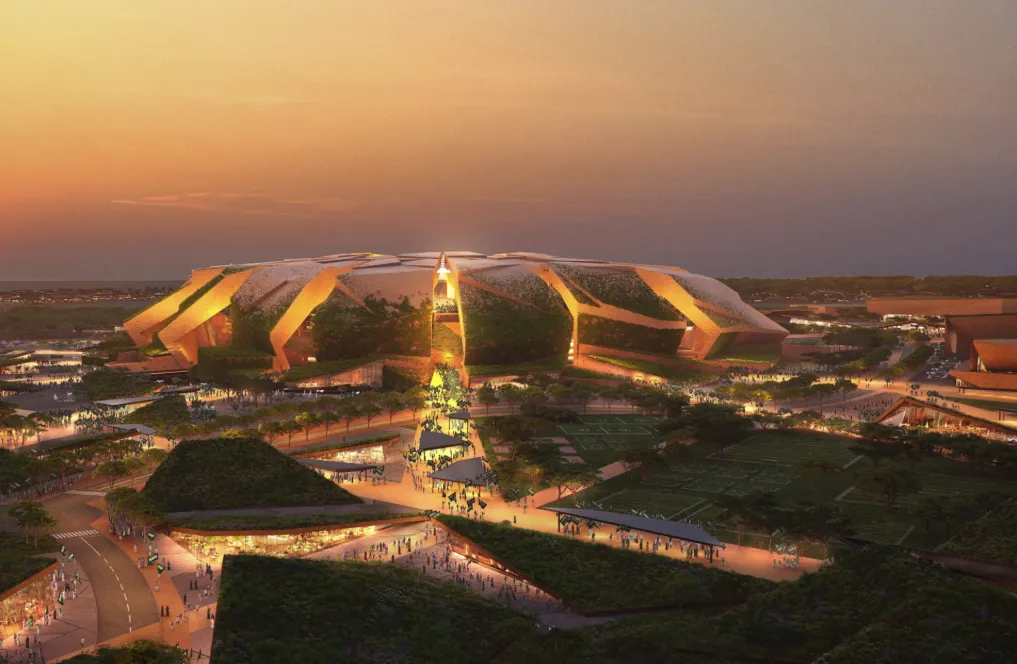
The Jeddah Tower, which has been under construction for years, has faced delays and funding challenges, but the project is still alive. However, it was never part of any World Cup plan. The closest thing to a skyscraper-connected stadium is actually the King Salman Stadium in Riyadh, which will be built with a unique design inspired by traditional Saudi architecture, but it will be a ground-level structure, not elevated.
Many fans have questioned whether building a stadium at extreme heights could create issues like wind turbulence, altitude sickness for players, or logistical nightmares for spectators. Dr. Sarah Thompson, a sports infrastructure expert from the University of Michigan, shared her perspective: “While the concept sounds spectacular, it’s not practical. The engineering required to support a stadium on a supertall structure would be astronomically expensive and would pose safety risks. Moreover, FIFA has strict guidelines on stadium locations, including easy access for fans and emergency services.”
The Real Innovative Stadiums in Saudi Arabia’s Plan
Let’s look at some of the actual proposed venues that deserve attention:
NEOM Stadium – This is perhaps the most futuristic of all, planned to be built inside NEOM’s “The Line,” a 170-kilometer-long linear city. The stadium will be at ground level but surrounded by mirrored walls that reflect the desert landscape, creating a surreal atmosphere for players and fans.
King Abdullah Sports City – Located in Jeddah, this existing venue will be expanded to host up to 60,000 spectators. It has already hosted major events like the 2023 Club World Cup, proving its readiness.
Prince Mohammed bin Salman Stadium – In Riyadh, this 50,000-seat stadium will feature a retractable roof and the latest cooling technology to combat the heat, a crucial factor for a summer tournament.
Why the Skyscraper Stadium Rumor Went Viral
The idea of a stadium on top of a building taller than the Burj Khalifa is undeniably appealing. It taps into our love for the spectacular and the impossible. Social media algorithms prioritize content that generates strong emotional reactions, and the image of a floating football pitch over Jeddah certainly fits that bill.
But this isn’t the first time such rumors have surrounded Saudi Arabia’s World Cup bid. Earlier this year, there were claims that the kingdom would build a floating stadium in the Red Sea or a venue entirely cooled by seawater. While these ideas might sound exciting, they remain speculative concepts from think tanks and architects, not official plans.
As a fan who has followed World Cup preparations from Qatar to Russia, I’ve seen how rumors can overshadow real achievements. The key is to focus on verified information from official sources like FIFA and the Saudi Arabian Football Federation.
Expert Analysis and Predictions for 2034
So, what should fans actually expect from the 2034 World Cup? Based on current data and expert opinions, here’s a breakdown:
Key Predictions
- Total Capacity: The 15 stadiums will offer a combined capacity of over 1.5 million seats, making it one of the largest World Cup infrastructures ever built.
- Technology: Saudi Arabia will likely use advanced cooling systems, AI-driven crowd management, and 5G connectivity to enhance the fan experience.
- Sustainability Goals: The bid emphasizes carbon neutrality, with plans to power stadiums entirely by renewable energy by 2032.
Challenges Ahead
The 2034 World Cup faces some hurdles, including extreme heat during summer months. FIFA has already discussed moving the tournament to November or December, similar to Qatar 2022, to protect players and fans. Additionally, the kingdom will need to address human rights concerns raised by various organizations, which could affect global perception.
I spoke with former FIFA technical director Marco van Basten, who offered his thoughts: “Saudi Arabia has the financial resources and political will to deliver a spectacular event. But they must learn from Qatar’s experience—logistics, accommodation, and legacy are just as important as flashy designs.”
What This Means for Football Fans
For the average football fan, the 2034 World Cup promises to be a unique experience. Saudi Arabia is investing heavily in tourism infrastructure, with plans to increase hotel capacity fivefold by 2034. This means more affordable options for travelers, unlike the limited and expensive accommodations in Qatar.
Jw7 is committed to bringing you the latest and most accurate football news, including updates on World Cup preparations. Our team of analysts is constantly monitoring developments from Riyadh to Zurich, ensuring you get expert insights beyond the headlines.
Conclusion: Don’t Believe the Hype
The rumor that Saudi Arabia is building a World Cup stadium on top of the Jeddah Tower is just that—a rumor. The kingdom’s actual plans are exciting enough, with innovative designs, massive capacity, and a focus on sustainability. As we approach 2034, expect more fake news to circulate, but always verify before sharing.
What are your thoughts on Saudi Arabia’s World Cup plans? Would you like to see a skyscraper stadium become a reality, or do you prefer traditional ground-level venues? Leave a comment below and share your perspective. Don’t forget to check out Jw7 for more in-depth football analysis and breaking news. Together, let’s keep the conversation about the beautiful game grounded in facts, not fiction.
