
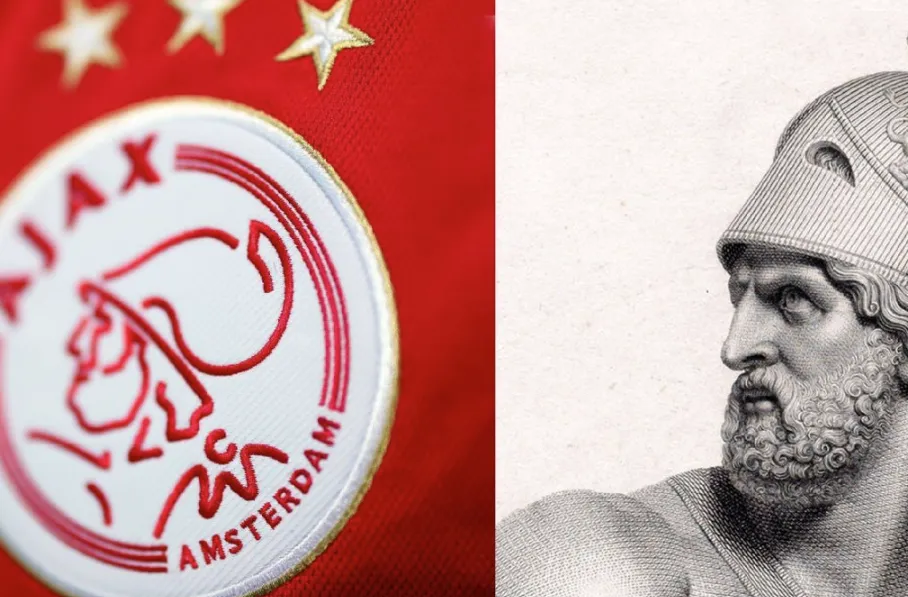
Dutch football is globally recognized for its tactical innovation, vibrant fan culture, and iconic clubs. But if you’ve ever glanced at the Eredivisie or the lower leagues, you’ve probably noticed something peculiar: numerous clubs bear names straight out of ancient Greek mythology. Ajax, Heracles, Sparta, and even lesser-known sides like PAOK’s inspiration in Greece have deep mythological roots. Why is this the case? How did a small European nation become so intertwined with the legends of Zeus, Hercules, and Achilles? In this exclusive analysis from Jw7, we dive into the historical, cultural, and intellectual reasons behind this unique phenomenon, offering insights that go far beyond simple trivia.
The Classical Education Connection: How 19th-Century Schools Shaped Dutch Football
To understand why Dutch clubs have Greek names, we must travel back to the late 19th and early 20th centuries—the very birth of organized football in the Netherlands. This was an era when classical education was the gold standard for the elite. Young Dutchmen, particularly those from middle-class and aristocratic families who founded the first clubs, were deeply immersed in the study of Latin and ancient Greek.
The architecture, literature, and philosophy of antiquity were seen as the pillars of modern civilization. When these young men gathered to form football clubs, they wanted names that reflected strength, virtue, and ambition. Ancient Greek mythology provided a perfect vocabulary of heroism and glory. Calling a team “Ajax” or “Heracles” wasn’t just a random choice; it was a statement of identity, a call to embody the heroic ideals of the ancient world.
This cultural trend wasn’t unique to the Netherlands, but it found especially fertile ground there. The Dutch have a long history of scholarship and international trade, making them particularly receptive to classical influences. As a result, the names stuck, becoming deeply embedded in local communities and evolving into powerful brands that still resonate today.
The Top 5 Dutch Clubs with Greek Mythological Names
Let’s break down the most famous examples, each with a unique story that illustrates how these ancient names carried modern meaning.
Ajax Amsterdam: The Cradle of Total Football
Ajax is arguably the most famous example—a club synonymous with total football, Johan Cruyff, and European dominance. Founded in 1900, the club was named after the Greek hero Ajax the Great, a warrior from the Trojan War known for his strength and courage.
The founders wanted a name that was short, powerful, and easy to remember. They chose Ajax not only for his heroic qualities but also because the name was already familiar in classical circles. Interestingly, the club’s early boards were well-versed in the Iliad, and the name stuck as a symbol of unyielding spirit. Over a century later, “Ajax” has become a global footballing icon, proving that the ancient hero’s legacy is alive and well.
Heracles Almelo: The Strength of a Demigod
Heracles Almelo, a club from the eastern Netherlands, takes its name from the famous demigod Heracles (the Roman Hercules), renowned for his superhuman strength and his legendary twelve labors. Founded in 1903, the club was originally named “Heracles” to inspire the players to show the same resilience, determination, and stamina in their matches.
In modern times, the name has practical benefits. In an era of sports branding, “Heracles” is instantly recognizable and carries a powerful symbolic weight. The club’s crest even features a muscular figure, reinforcing the connection. This name is a perfect example of how classical mythology can be repurposed to support modern sporting values like endurance and triumph over adversity.
Sparta Rotterdam: Discipline and Military Precision
Sparta Rotterdam, founded in 1888, is the oldest professional football club in the Netherlands. The name is a direct reference to the ancient Greek city-state of Sparta, famous for its warrior culture, discipline, and emphasis on physical prowess. This was a deliberate choice by the founders, who wanted the team to be characterized by these same Spartan virtues.
Sparta’s name has been a significant part of its identity for over 130 years. It evokes a sense of toughness, organization, and defensive solidity. While modern Spartans are not necessarily warriors, the name continues to symbolize a fighting spirit that has helped the club survive relegation battles and remain a respected fixture in Dutch football.
Other Noteworthy Names: Achilles, Thebes, and Beyond
The trend extends beyond the top flight. Clubs like Achilles ’29 (from Groesbeek) honor the swift and vengeful hero of the Trojan War. Thebes (a minority club in Amsterdam) took its name from the Greek city. KFC from Amsterdam was once known as “Spartaan”, and DOS (Door Oefening Sterk) had classical inspirations. These names illustrate that the phenomenon was not limited to a few big-city clubs but was a widespread cultural pattern.
The Enduring Legacy: Why These Names Survive Today
In an age of modern branding, what keeps these mythological names relevant? The answer lies in branding power and community identity. A name like “Ajax” or “Sparta” is timeless. It doesn’t depend on a particular decade or founder. It carries an inherent narrative of heroism, struggle, and triumph that resonates across generations.
For fans, the name is a badge of honor. It differentiates the club from generic “United” or “City” names. In a globalized football market, a unique name is a massive marketing asset. As Dutch football expert Dr. Marijn de Vries once noted, “These names are a form of intellectual heritage. They remind us that football is not just a game of tactics and money, but also of cultural history and storytelling. Ajax is not just a team; it’s a living reference to the Iliad.”
Conclusion: A Footballing Tribute to Ancient Heroes
In summary, the prevalence of Greek mythology in Dutch football club names is a surviving artifact from the 19th-century classical education era, combined with a desire to embody the heroic virtues of strength, discipline, and perseverance. From the global prestige of Ajax to the gritty resilience of Sparta Rotterdam and Heracles Almelo, these names are more than just labels—they are stories, traditions, and a unique form of cultural expression.
The next time you watch a Dutch match on Jw7, take a moment to appreciate the ancient history behind the modern game. It’s a beautiful reminder that football’s roots run deeper than any league table can measure.
What’s your favorite Dutch club with a classical name? Do you think this trend adds to the charm of the Eredivisie? Share your thoughts in the comments below, and don’t forget to subscribe for more deep-dives into the history and culture of world football!
