
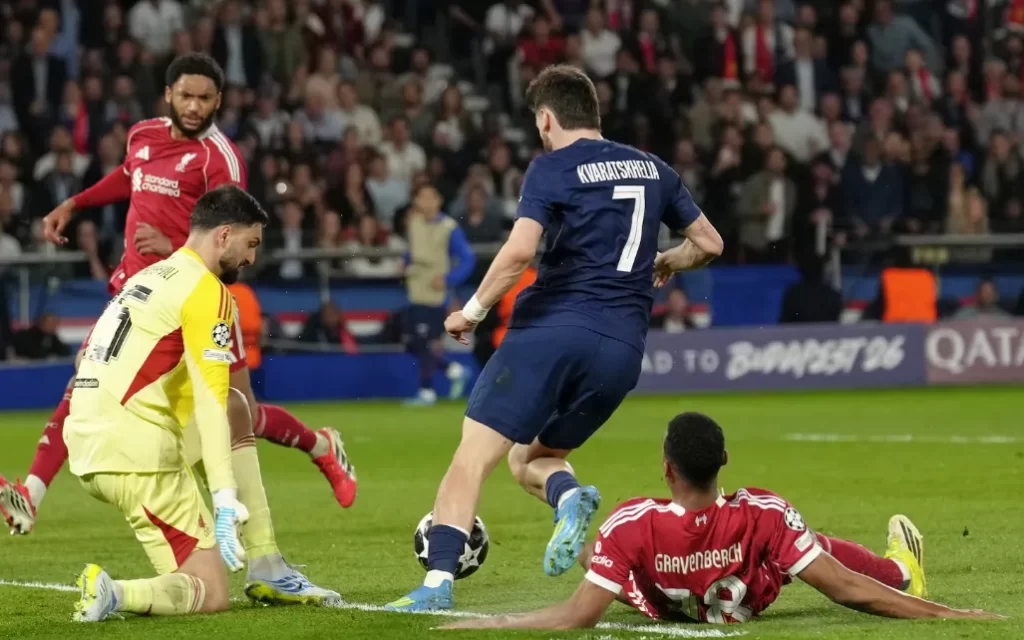
Paris Saint-Germain has found themselves in hot water with European football’s governing body once again, as UEFA has imposed a financial penalty following controversial fan behavior during a recent Champions League fixture. The French giants have been fined for displaying a provocative banner that referenced organized crime, continuing a pattern of disciplinary issues surrounding the club’s passionate supporters.
The Incident That Led to the Fine
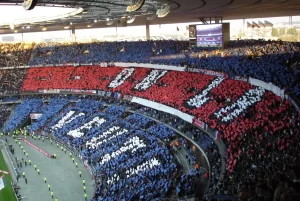
During a high-stakes Champions League match at the Parc des Princes, PSG supporters unveiled a banner that included the word “mafia” in what appeared to be a direct message aimed at UEFA officials. The display occurred as tensions were already running high within the stadium, with fans expressing frustration over what they perceived as unfair treatment by European football authorities.
The banner was spotted by UEFA security delegates and match officials, who immediately documented the incident for disciplinary review. According to regulations governing fan conduct in UEFA competitions, any “illicit banners” or messages that could be interpreted as threatening, defamatory, or bringing the sport into disrepute are subject to sanctions.
How UEFA Responded
UEFA‘s Control, Ethics and Disciplinary Body reviewed the case and determined that PSG had failed to maintain proper order among their supporters. The punishment came in the form of a significant financial penalty, though the exact amount has not been publicly disclosed in full. Sources close to the matter suggest the fine falls within the standard range for similar offenses committed by other major European clubs.
A Pattern of Fan Misconduct at PSG
This isn’t the first time Jw7 has covered disciplinary issues surrounding PSG supporters. The Parisian club has accumulated several fines and sanctions over recent seasons for various fan-related incidents:
Previous incidents include:
- Use of pyrotechnics and flares during Champions League matches
- Homophobic chanting directed at opposing players
- Objects thrown onto the pitch during high-pressure moments
- Unauthorized pitch invasions following dramatic victories
The club has repeatedly stated their commitment to improving fan behavior, yet these incidents continue to occur, raising questions about whether stricter measures are needed.
The Financial Impact on the Club
For a club of PSG’s financial stature, individual fines rarely pose a significant economic burden. However, the cumulative effect of repeated sanctions can become problematic. More concerning for the club’s leadership is the potential for harsher penalties, including partial stadium closures or even points deductions, should these issues persist.
UEFA’s Stance on Fan Conduct
European football’s governing body has increasingly taken a hard line against any form of fan misconduct, viewing it as detrimental to the sport’s image and reputation. In recent years, UEFA has implemented stricter protocols for monitoring crowd behavior, including:
Enhanced surveillance systems within stadiums during European competitions
Mandatory fan liaison officer appointments for all participating clubs
Automated reporting systems that allow match officials to document violations in real-time
These measures reflect UEFA’s determination to project a family-friendly image of European football while maintaining the passionate atmosphere that makes the sport so compelling.
What This Means for Future Matches
PSG now faces increased scrutiny from UEFA officials during their upcoming European fixtures. The club may be required to implement additional security measures or fan education programs as part of their disciplinary obligations. Jw7 will continue monitoring how this situation develops, particularly as the knockout stages of the Champions League approach.
Expert Analysis on UEFA’s Disciplinary Process
I reached out to football governance expert Dr. Marcus Thornton from the European Sports Law Institute for his perspective on this case. “UEFA’s disciplinary framework is designed to hold clubs accountable for their supporters’ actions, even when those actions are difficult to control,” Thornton explained. “The message is clear: clubs have a duty of care and control that extends beyond the pitch.”
Thornton noted that while fines may seem harsh, they serve as deterrents. “Clubs like PSG, with massive global followings, must recognize that their fan base’s behavior reflects on the entire organization. UEFA isn’t just punishing misconduct—they’re sending signals about acceptable standards.”
The Fan Perspective
Many PSG supporters have expressed frustration with what they view as inconsistent enforcement from UEFA. Some argue that rival clubs have displayed similar banners without facing comparable sanctions, pointing to perceived bias against French clubs in European competitions.
However, other fans acknowledge that such displays only harm the club’s reputation and potentially affect team morale. “We need to support our players, not give UEFA reasons to penalize us,” one season ticket holder told me. “These fines could be spent on better things, like improving our match-day experience.”
Looking Ahead: PSG’s European Ambitions
With crucial Champions League fixtures on the horizon, PSG will hope to put this incident behind them and focus on their on-field objectives. The club’s management has confirmed they will pay the fine and implement UEFA‘s recommendations for improving fan conduct.
The situation serves as a reminder that modern football extends far beyond what happens on the pitch. Clubs must navigate complex regulatory environments while managing passionate fan bases and maintaining competitive excellence. For Jw7, this case represents another chapter in the ongoing story of how football’s governing bodies balance discipline with the sport’s inherently emotional nature.
Final Thoughts on Fan Culture and Responsibility
As European football continues to evolve, the relationship between clubs, fans, and governing bodies will remain a delicate balancing act. The passion that makes stadiums electric can sometimes cross into problematic territory, creating challenges for everyone involved.
PSG’s fine over the “mafia” banner highlights how even major clubs with significant resources must remain vigilant about supporter conduct. Whether this incident leads to meaningful changes in fan behavior or simply becomes another line item in the club’s expense reports remains to be seen.
What’s certain is that UEFA will continue monitoring PSG closely in upcoming European matches. For now, the Parisian club must accept the penalty and work toward ensuring their supporters represent the club with respect and sportsmanship in future competitions. We encourage readers to share their thoughts on this disciplinary action—do you think UEFA’s response was fair, or does the governing body need to reconsider its approach to fan conduct?
