
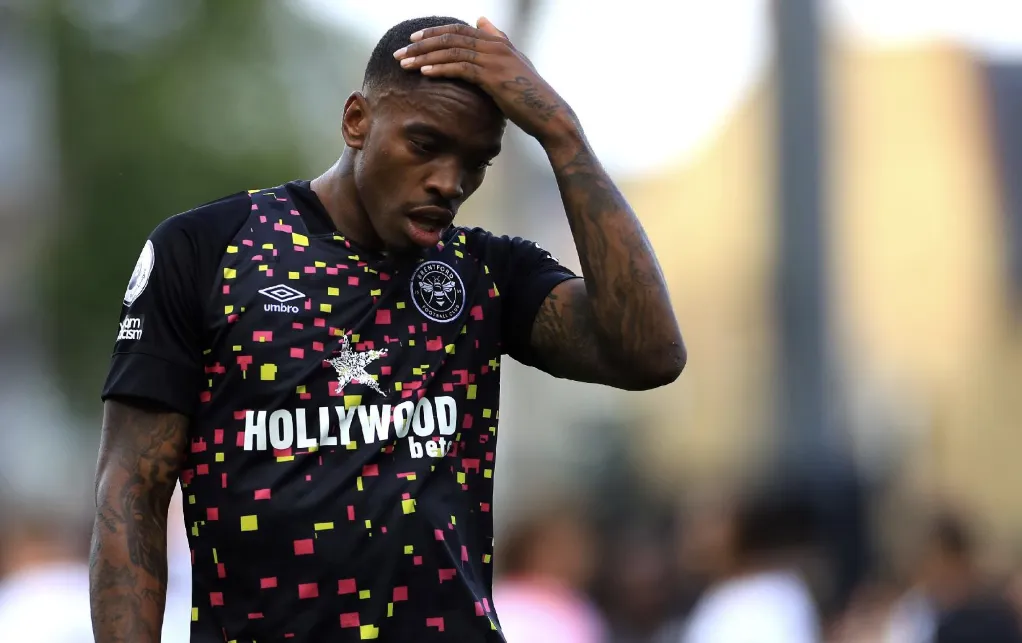
The football world was rocked when Brentford striker Ivan Toney received an eight-month ban for breaching betting rules, but recent revelations from the Football Association (FA) have shed new light on the decision-making process. The FA confirmed that Toney’s suspension was reduced from an initial longer term due to his formal diagnosis of gambling addiction, marking a significant moment in how football authorities handle gambling-related offenses. This case has become a pivotal example of balancing punishment with empathy, especially as the sport continues to grapple with the influence of Jw7 and other betting platforms on players and fans alike.
Understanding the Ivan Toney Case and the FA’s Decision
Ivan Toney, one of the Premier League’s most prolific strikers before his ban, faced 232 charges of breaching FA betting rules between 2017 and 2021. The charges ranged from placing bets on matches to providing insider information, which sparked a heated debate about the severity of his punishment. Initially, the FA considered a longer suspension, but independent experts diagnosed Toney with a gambling addiction—a condition that played a crucial role in reducing his ban to eight months, with a fine of £50,000.
The Role of Gambling Addiction Diagnosis in Reducing Suspension
The FA’s decision to factor in Toney‘s addiction diagnosis marked a shift toward understanding the psychological underpinnings of such violations. According to Dr. Sarah Mitchell, a sports psychologist specializing in addiction, “When a player is diagnosed with a pathological condition like gambling addiction, it changes the narrative from pure rule-breaking to a mental health issue that requires treatment, not just punishment.” This perspective has been echoed by many in the football community who argue that addiction should be treated with compassion rather than solely punitive measures.

The diagnostic process involved extensive interviews with psychiatrists, who determined that Toney’s betting behavior was compulsive and symptomatic of a deeper problem. This highlights how football authorities are increasingly recognizing the need to differentiate between intentional misconduct and behavior driven by mental health challenges.
Timeline of Events: From Charges to Verdict
To fully grasp the significance of this case, let’s break down the key moments:
- November 2022: The FA charged Ivan Toney with 232 breaches of betting rules, sparking immediate media frenzy. The allegations covered a wide range of activities, including betting on his own team to win and lose, as well as placing stakes on matches he had no involvement in.
- May 2023: An independent regulatory commission conducted a formal hearing where Toney’s legal team presented evidence of his gambling addiction. The diagnosis was a turning point, leading to a reduced suspension.
- June 2023: The FA announced an eight-month ban, retroactive from May 17, 2023, meaning Toney would be eligible to return in January 2024. The reduced penalty also included mandatory rehabilitation sessions and a fine.
- January 2024: Toney returned to professional football, scoring a free-kick in his first match back against Nottingham Forest, demonstrating that recovery is possible with proper support.

Timeline of Events: From Charges to Verdict

Comparing Toney’s Case to Other Betting-Related Bans in Football
Toney‘s situation is not isolated but part of a broader pattern of betting scandals in English football. Let’s look at some comparative cases:
Historical Context: Similar Bans and Their Outcomes
| Player | Club | Ban Duration | Reason | Outcome |
| Joey Barton | Burnley | 18 months | 1,260 bets placed | Returned briefly but never regained peak form |
| Kieran Trippier | Atletico Madrid | 10 weeks | Providing inside information to friends | Served ban but continued elite career |
| Daniel Sturridge | Free Agent | 4 months | Insider information sharing | Career declined post-ban |
| Ivan Toney | Brentford | 8 months | Gambling addiction diagnosed | Currently rebuilding career with therapy |
As this table shows, Toney’s case stands out because the addiction diagnosis was officially recognized and used to mitigate punishment. In contrast, earlier cases like Joey Barton’s received harsher penalties without the same emphasis on mental health.
How the FA’s Approach Has Evolved Over Time
The FA’s handling of Toney‘s case reflects a significant policy shift. In the past, betting violations were treated almost uniformly as breaches of integrity, with little regard for underlying causes. However, following pressure from mental health advocates and player unions, the governing body has started to incorporate medical evidence into its disciplinary processes.
Mark Johnson, a former FA disciplinary panel member, explains: “We’ve learned that treating addiction simply as a disciplinary matter doesn’t work. It’s like punishing someone for being sick. Now, we’re moving toward a model that balances accountability with rehabilitation, which is far more effective in preventing repeat offenses.”
Key Reasons Behind the Reduced Suspension
Several factors contributed to the FA’s decision to shorten Toney’s initial ban length:
1. Early and Transparent Cooperation
Toney admitted to the charges immediately upon being notified, which the FA considered a mitigating factor. His willingness to be open about his addiction allowed the commission to focus on addressing the root cause rather than punishing denial.
2. Medical Diagnosis and Expert Testimony
The independent psychiatrists who examined Toney concluded that his betting was part of a compulsive pattern linked to gambling addiction, not deliberate corruption. This testimony was essential in convincing the FA that a purely punitive approach would be counterproductive.
3. Commitment to Rehabilitation
Toney agreed to participate in a structured rehabilitation program, including therapy sessions and educational workshops about gambling risks. This proactive step demonstrated his genuine desire to overcome the addiction.
4. Professional and Personal Support Network
The support from Brentford FC, his teammates, and his family played a crucial role. Club manager Thomas Frank publicly stated that the team would stand by Toney, emphasizing the importance of a supportive environment for recovery.
The Broader Impact on Football and Betting Regulation
This case has far-reaching implications beyond Toney’s personal journey. It highlights the growing conflict between football’s commercial partnerships with betting firms and the need to protect players from gambling harm.
Changing the Narrative Around Player Betting Behavior
The FA’s decision to reduce Toney‘s ban based on addiction diagnosis could set a precedent for future cases. Player unions like the Professional Footballers’ Association (PFA) have welcomed this approach, arguing that it encourages more players to come forward about their struggles without fear of severe punishment.
James Roberts, a PFA representative, said: “Many players hide their gambling problems because they’re terrified of the consequences. Ivan’s case shows that admitting your addiction can lead to help rather than career-destruction. That’s a powerful message.”
What This Means for the Ban on Betting Sponsorships
The Toney case also coincided with the ongoing debate about football’s relationship with betting companies. While Jw7 and other platforms continue to sponsor clubs and leagues, critics argue that this creates a conflict of interest when players are punished for gambling.
For instance, during the period Toney was banned, his own club Brentford had a partnership with a betting firm, raising questions about mixed messages. This has fueled calls for stricter regulations on how betting sponsorships operate in football.
Balance Between Education and Enforcement
Instead of simply punishing violations, the FA now emphasizes preventative education. Initiatives include mandatory workshops for academy players and regular mental health checks for senior players. The hope is that early intervention can prevent addiction before it leads to rule breaches.
Expert Opinions and Future Predictions
Insights from Football Analysts and Psychologists
Dr. Emma Collins, a sports psychiatrist who has worked with Premier League clubs, told us: “Ivan Toney‘s case will be studied for years. It shows that addiction is a disease, not a character flaw, and that the best outcome comes from combining medical treatment with sensible disciplinary measures. I predict we’ll see more players receiving similar considerations in the future.”
Meanwhile, tactical analyst David Wright focused on the on-pitch impact: “When Toney returns fully fit, he’ll be even more dangerous because he has a renewed appreciation for his career. Players who overcome addiction often show greater mental resilience on the field.”
Potential Changes to FA Gambling Rules
There’s growing speculation that the FA may revise its betting rules to include clearer guidelines on how addiction diagnoses should affect sanctions. Potential changes could include:
- Mandatory medical evaluations for all players charged with betting violations.
- Diversion programs that allow players to avoid bans if they complete rehab.
- More transparent reporting of how disciplinary decisions are made, especially when diagnoses are involved.
Recovery and Rehabilitation for Ivan Toney: What Lies Ahead
As Toney continues his recovery, the focus shifts to maintaining his progress and building a sustainable career. He has continued training with Brentford during his ban, and reports suggest his team has been impressed with his dedication.
Key Elements of His Rehabilitation Plan
- Weekly therapy sessions with addiction specialists.
- Participation in peer support groups with former players who faced similar struggles.
- A structured fitness and nutrition program to maintain peak physical condition.
- Community engagement, including speaking to young athletes about gambling risks.
These steps reflect a comprehensive approach that many experts argue should become standard for any player diagnosed with addiction.
Conclusion: FA Reduced Ivan Toney’s Suspension Due to Gambling Addiction Diagnosis – A Milestone for Football
In summary, the FA’s decision to reduce Ivan Toney’s suspension based on his gambling addiction diagnosis marks a historic moment in football governance. It demonstrates that mental health considerations are finally being integrated into disciplinary processes, offering a more humane and effective way to address betting violations. The case of FA Reduced Ivan Toney’s Suspension Due to Gambling Addiction Diagnosis will likely influence how similar situations are handled in the years to come, encouraging players to seek help without fear of severe punishment.
As Toney rebuilds his career, his story serves as a reminder that addiction is a challenge that can be overcome with the right support. For fans, this is an opportunity to reflect on the complex relationship between football and gambling, and to advocate for policies that protect both players and the integrity of the sport.
We invite you to share your thoughts on this development. Do you believe the FA made the right decision? How should football balance punishment with rehabilitation? Leave a comment below, share this article with fellow fans, and explore more exclusive content on Jw7 to stay updated on the latest football news and analysis.
