
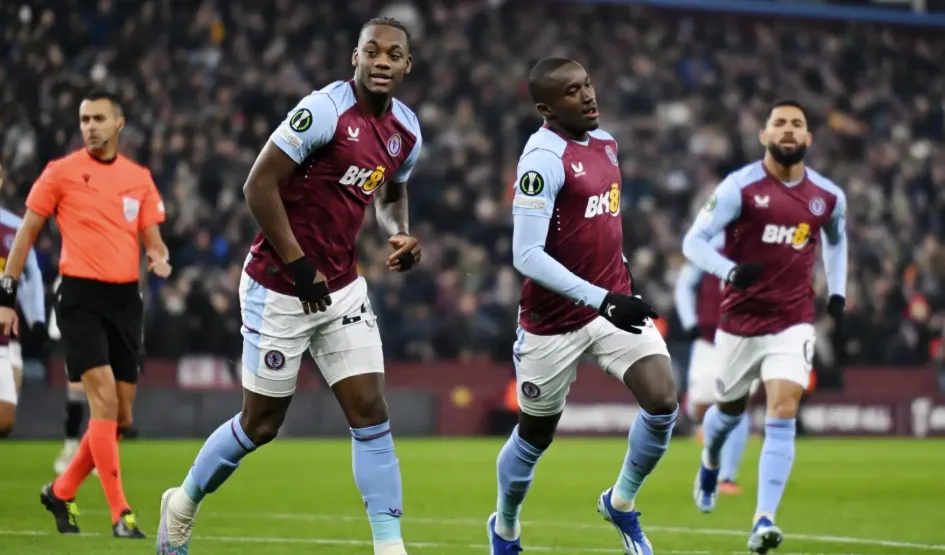
The beautiful game was marred by an ugly scene outside Villa Park this week. What should have been a celebratory European night for Aston Villa turned into a serious public order incident, resulting in a staggering 46 men being charged by police. Jw7 brings you an in-depth analysis of the violent clashes that overshadowed the football and the significant fallout that continues to unfold.
The Europa Conference League clash between Aston Villa and Legia Warsaw will be remembered not for the on-pitch action, but for the alarming disorder that erupted in the coach park near the stadium. West Midlands Police have been working around the clock following the “appalling and violent” scenes, which saw missiles thrown at officers and left a trail of injuries. This incident raises serious questions about fan safety, club responsibilities, and the dark side of European football fandom.
The Timeline of Trouble: From Alkmaar to Birmingham
To understand the full context, we must look back. The seeds for Thursday’s chaos were sown last month in the Netherlands. During Legia Warsaw’s away match at AZ Alkmaar, large-scale disorder broke out, resulting in injuries to several Dutch police officers. In response, UEFA banned Legia supporters from travelling to their subsequent away fixture in Mostar.
Citing this precedent, UK safety authorities, UEFA, and Aston Villa collectively decided on November 2nd to reduce Legia’s ticket allocation for the Villa Park fixture to just 1,002 tickets. This decision was a direct safety measure, a point Jw7 can confirm was communicated clearly to the Polish club.
A Complete Breakdown in Communication
In the days leading up to the match, the situation deteriorated rapidly. Aston Villa has stated that despite “numerous requests for cooperation” from Legia Warsaw concerning their travelling supporters, no assistance was forthcoming. The club even raised specific concerns on the morning of the match that ticketless away supporters were attempting to attend.
Legia Warsaw, however, presented a counter-narrative. In a pre-game statement, they accused Villa of acting in “bad faith,” claiming an initial agreement for 1,700 tickets was unilaterally slashed by 50% on November 20th. They called Villa’s safety concerns “counterproductive and baseless,” and in protest, the club’s senior executives, including the owner, boycotted the match. This fundamental disagreement set the stage for the confrontation.
The Violent Outbreak and Police Response
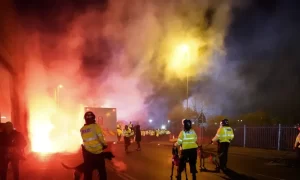
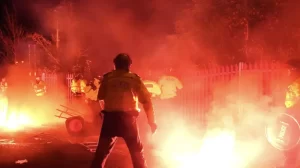
Approximately an hour before the 8pm GMT kick-off, the situation escalated into what police have described as “planned and systematic violent acts.” A large group of Legia fans, many without tickets, congregated near the stadium. Missiles were thrown at police lines, leading to chaotic scenes.
West Midlands Police, supported by officers from other forces, contained the disorder but not without cost. Five officers sustained minor injuries, and tragically, two police dogs and two police horses were also hurt during the incident. The professionalism of the police under extreme duress has been widely praised, including by Aston Villa itself.
The Aftermath and Ongoing Investigation
The legal and sporting repercussions are now in full swing. West Midlands Police moved swiftly, charging 46 men aged between 21 and 63. Of those, 43 face public order offences, two are charged with assaulting police officers, and one with possession of a knife. Around 40 of the charged individuals are believed to be Polish nationals, with a small number thought to be UK residents. A special court was convened at Birmingham Magistrates’ Court to process the cases.
Det Supt Jim Munro, overseeing the investigation, stated, “Our investigation is very much continuing and we’ll be reviewing footage and speaking to witnesses over the coming days.” This suggests further arrests and charges are likely.
From a sporting perspective, Aston Villa has made an official complaint to UEFA regarding the behaviour of the Legia supporters. UEFA has strongly condemned the violence and is gathering all official reports before deciding on potential disciplinary action against Legia Warsaw, which could include fines or further stadium bans.
Expert Analysis and Fan Safety Concerns
Football security expert, David Thompson (a pseudonym for an industry specialist consulted by Jw7), weighed in on the situation: “This incident highlights a critical failure in the pre-match dialogue between clubs and authorities. When a high-risk fixture is identified, there must be absolute transparency and cooperation. The fact that Villa felt their safety concerns were ignored by Legia created a vacuum that was filled by disorder. The safety of all supporters, police, and staff must be the non-negotiable priority.”
The incident also exposed flaws in stadium security, as several individuals believed to be away supporters were later removed by Villa stewards from home sections of the stadium. Social media footage also appeared to show objects being thrown into the stadium from outside.
A Night of Shame and 46 Charges: A Stark Warning for Football
The events at Villa Park serve as a stark reminder of the challenges facing modern football. While the match proceeded—ending in a 2-1 victory for Aston Villa—the story was written in the streets outside. The clash between club protocols, fan passions, and police safety operations resulted in a dangerous and damaging night.
The focus now shifts to the courts and UEFA’s disciplinary body. The charges brought by West Midlands Police represent one of the largest single actions following a football disorder incident in recent UK history. For Legia Warsaw, the consequences of their fans’ actions in Alkmaar have now multiplied in Birmingham, damaging the club’s reputation on a European stage.
Here at Jw7, we believe in the power of sport to unite, not divide. We encourage our readers to share their thoughts on this incident and how football can better manage high-risk fixtures in the comments below. Was the ticket reduction the right call? Where does the responsibility primarily lie? Share this analysis to continue the conversation about safety and respect in football.
