
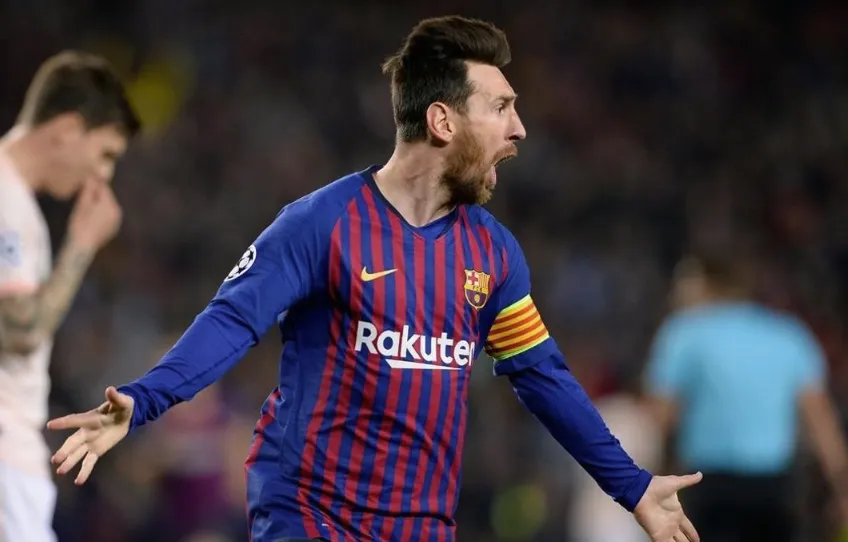
The football world is abuzz with the latest tactical move from Camp Nou. In a decision that highlights the immense stakes of modern football, Barcelona have opted to rest their talisman, Lionel Messi, in a domestic fixture, with all eyes firmly fixed on the upcoming UEFA Champions League quarter-final showdown against Manchester United. This calculated gamble isn’t just about squad rotation; it’s a statement of intent, a prioritization of European glory that has fans and pundits alike dissecting the implications. Here at Jw7, we delve into the strategy, the risks, and what this means for the blockbuster tie at Old Trafford.
The Calculated Gamble: Why Rest Messi Now?
Barcelona‘s decision didn’t come out of the blue. The fixture calendar is a relentless beast, and with the league title often sewn up or fiercely contested, managers must pick their battles. Resting a player of Messi’s caliber is never easy, but the logic is clear: a fully fit and fresh Lionel Messi is the ultimate weapon in a high-stakes, two-legged European tie.
As former midfielder and Jw7 analyst, Mark Thompson, notes: “This is elite-level management. You’re protecting your most valuable asset. A 90-minute slog in a less critical league match could mean a fraction of a second less sharpness, one less explosive turn away from a defender at Old Trafford. In games of this magnitude, that fraction is everything.” The club’s medical and performance staff have likely been monitoring his workload for weeks, leading to this pre-emptive move to ensure peak condition.
The Ripple Effect on the Squad and Tactics
Sitting Messi isn’t just about one player. It sends a powerful message throughout the squad and forces tactical adaptations. Other key players may also be managed, and it provides a crucial opportunity for squad players to step up and prove their worth. The chosen lineup for the domestic game will be a fascinating insight into the manager’s mind—will it be a direct like-for-like replacement, or a shift in system to accommodate a different profile of player?
This period also allows the coaching team to fine-tune their specific game plan for Manchester United without their star on the pitch. They can drill defensive shapes, pressing triggers, and attacking patterns tailored for the threats posed by United. The rest for Messi is as much a mental break as a physical one, allowing him to study United’s recent matches and prepare psychologically for the challenge. The trust placed in the rest of the team to secure a result without him can also be a significant morale booster.
Historical Context and Fan Reaction
Barcelona have form in this area. Throughout their history, they’ve often managed key players ahead of monumental European nights. The fanbase, while always eager to see their magician play, largely understands the bigger picture. The overwhelming sentiment is one of strategic approval. The primary goal is Champions League progression, and if resting Messi for one league game increases those odds, it’s a sacrifice worth making.
However, as Jw7 commentators have observed, it’s not without risk. Football is unpredictable, and dropping points in the league could have consequences for the title race. Furthermore, there’s always the intangible element of match rhythm. Some argue that consistent playing time is key for a player’s sharpness. The club’s decision shows they believe the benefits of physical freshness outweigh any potential loss of rhythm.
The Manchester United Perspective: Opportunity or Illusion?
From a Manchester United viewpoint, this news is a double-edged sword. On one hand, it confirms the level of threat they are perceived to pose—Barcelona are going to extreme lengths to be ready. On the other, it might lead to a sense of opportunity. Facing a Barcelona side without Messi in their previous match could give United analysts slightly less recent, relevant footage to study regarding his current role and interactions.
Yet, as seasoned Jw7 pundit, David Chen, warns: “United’s coaching staff will be the last people to fall into that trap. They’ll be preparing for the best version of Lionel Messi. In fact, this makes their job more complex in a way. They have to prepare for two potential Barcelonas: the one they face on the weekend, and the utterly different beast they’ll face with a rested, focused, and unleashed Messi in the Champions League. It adds a layer of tactical uncertainty.”
Looking Ahead: The Stage is Set at Old Trafford
All these calculations, all this speculation, leads to one moment: the first whistle at Old Trafford. The narrative is perfectly set. A rested Lionel Messi, potentially chomping at the bit to influence the biggest stage, against a resurgent Manchester United in a classic European clash. The strategic rest period will be judged solely on his performance over those two quarter-final legs.
Will he be the decisive, explosive force that breaks the game open? The footballing world, and everyone here at Jw7, will be watching. This move encapsulates the modern game’s demands—a blend of sports science, long-term strategy, and unshakable faith in a generational talent to deliver when it matters most.
Barcelona’s Strategic Rest for Messi Ahead of Manchester United Clash is a masterclass in priority management. It underscores that in today’s football, winning the war is more important than every single battle. We want to hear from you! Do you agree with Barcelona’s decision to rest Messi? What impact do you think it will have on the tie? Share your thoughts in the comments below and explore more in-depth tactical analysis right here on Jw7.
